Southern Restaurant Flavors That Warm the Soul
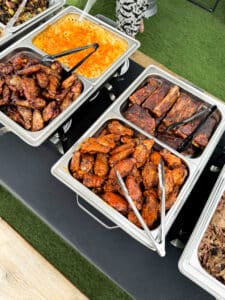
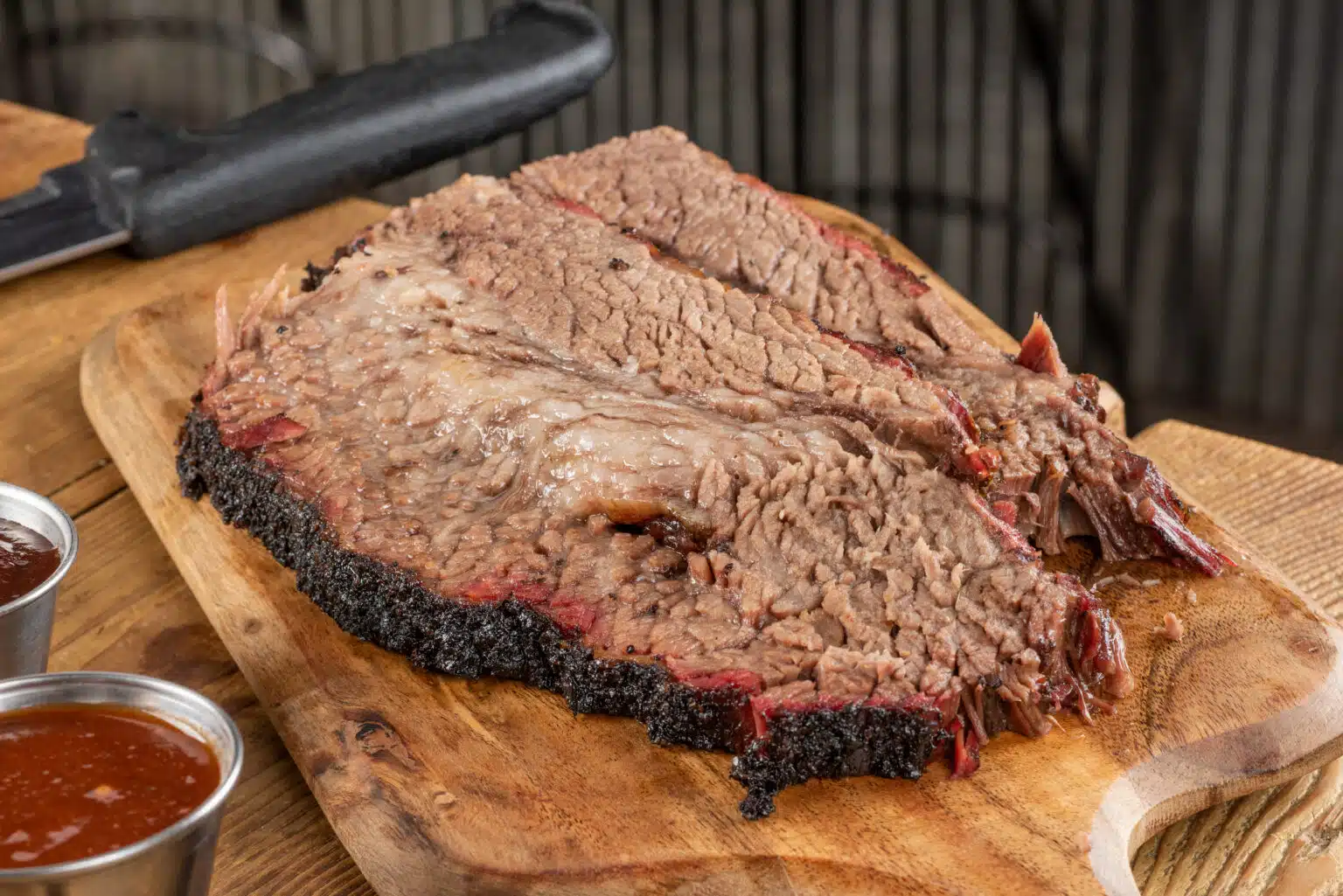
Step into a well-run Southern restaurant at the right hour, and the room tells you what matters before the menu ever does. You hear the low scrape of chairs on wood floors, the clink of iced tea glasses sweating onto paper napkins, the easy back and forth between servers and regulars. From the kitchen comes the scent of onions softening in fat, black pepper blooming in gravy, cornmeal hitting hot oil, smoked meat resting just long enough to hold its juices. These are not just pleasant details. They are part of a culinary tradition built on thrift, patience, hospitality, and a sharp understanding of how flavor develops when cooks respect time.
Southern food has long been flattened into a handful of clichés, many of them unfairly narrow. Fried chicken, biscuits, barbecue, sweet tea. Yes, those dishes belong in the conversation, and when they are done properly they deserve every bit of praise they get. But the soul of Southern cooking runs deeper than a greatest-hits list. It lives in braises and gravies, in field peas and stewed greens, in pickles set out to cut richness, in cast iron crusts that hold memory from one service to the next. It comes from Black culinary traditions, Appalachian ingenuity, coastal abundance, Creole and Cajun influence, church suppers, roadside smokehouses, and family tables where no one left hungry.
What makes these flavors so warming is not only temperature. It is the way Southern dishes layer comfort and clarity. They tend to be generous without being careless. A plate may look simple, but beneath that simplicity is judgment: when to push browning, when to hold back salt, when a biscuit dough has been handled enough, when a pot of collards needs one more splash of vinegar and when it needs to be left alone.
Where the warmth really comes from
A lot of restaurants can serve food that feels rich. Far fewer can serve food that feels rooted. The best Southern kitchens understand that the dishes people crave most are often built from humble ingredients that have been treated with attention. Onion, flour, lard or butter, stock, greens, cornmeal, beans, rice, pork, chicken. Nothing flashy there. Yet the finished plate can land with the kind of satisfaction people remember for years.
Part of that comes from the cooking methods themselves. Southern food rewards slow transformation. Tough cuts become tender after a long, quiet braise. Beans absorb aromatics and cured meat over hours. Greens soften, then deepen, then finally relax into that sweet spot where their bitterness turns almost round. Even fried foods, which seem fast by comparison, rely on preparation that starts well before the pan is hot. Brining, dredging, resting, seasoning at the right moment, managing the oil so the crust shatters instead of turning greasy, all of that matters.
Then there is the balancing act. Good Southern cooking is often rich, but it is rarely one-note. Acid matters. Heat matters. Bitter notes matter. A proper plate of fried catfish may come with lemon, slaw, or pickles for a reason. Macaroni and cheese, if it is truly worth eating, benefits from mustard, hot sauce, or a sharper cheese in the blend. Smoked meats beg for pepper and tang, not just sweetness. Even banana pudding works because vanilla, cream, and soft cookies meet a hint of salt and the faint perfume of ripe fruit.
That kind of balance is easy to underestimate because the food is familiar. Familiarity can hide skill in plain sight.
The dishes that define a great Southern restaurant
Certain dishes function like a kitchen’s handshake. Order them, and you learn very quickly whether the cooks understand the tradition or are simply borrowing its imagery.
Fried chicken is the obvious test, and for good reason. Truly excellent fried chicken asks for restraint as much as confidence. The coating should cling, not slide off in greasy flakes. The seasoning needs to penetrate beyond the crust. The meat, especially the breast, must stay juicy. When it arrives at the table, the crust should crack audibly under the fork. If the cook has done the job well, you taste not just salt and oil, but pepper, maybe garlic, maybe paprika, perhaps a whisper of cayenne, all sitting on top of actual chicken flavor.
Biscuits are another measure of seriousness. Bad biscuits are common because they look easy to people who have never made hundreds of them under pressure. A good biscuit carries a light hand. It should rise in layers, break apart with tenderness, and taste of butter or cultured fat rather than raw flour. There is no place to hide. If the dough is overmixed, if the oven runs cool, if the fat is not cold enough, the biscuit exposes every mistake.
Shrimp and grits shows a different side of Southern cooking. It sits at the crossroads of land and water, thrift and luxury. Grits were never meant to be a bland base. They should be cooked until fully hydrated and silky, whether coarse-ground and rustic or more refined. The shrimp need only a brief cook, but the sauce, often built with bacon, stock, cream, tomatoes, or aromatics, should carry enough depth to justify the plate. In too many places, this dish is treated as a vehicle for toppings. In a strong kitchen, the grits themselves matter just as much as the shellfish.
Then there are the sides, which in Southern cooking are often the true heart of the meal. Collard greens, turnip greens, butter beans, candied yams, braised cabbage, skillet cornbread, stewed okra and tomatoes, black-eyed peas. These are not afterthoughts. They are where cooks reveal whether they understand seasoning beyond the obvious. A bowl of greens should taste alive, not flat and overcooked. Cornbread should carry the right crumb for its style, whether sweetened or not, cakey or crisp-edged from cast iron. Beans should taste like themselves, not just like whatever smoked meat was thrown into the pot.
Dessert finishes the argument. Peach cobbler, chess pie, pecan pie, hummingbird cake, bread pudding, banana Southern restaurant pudding. Southern sweets are often generous, but their best versions avoid cloying heaviness. Texture keeps them honest. So does salt. So does restraint with sugar, a point many modern kitchens miss when they confuse sweetness with comfort.
The hidden backbone: seasoning, fat, and time
If you spend enough time around Southern cooks, especially those who have fed families and crowds for years, you start to notice that recipes are rarely the full story. The real knowledge often lives in touch, smell, and timing.
Seasoning in Southern food is less about novelty than accuracy. Salt is used to bring ingredients into focus, not to flatten them. Black pepper appears everywhere, often more generously than outsiders expect. Cayenne or hot sauce may be present, but they are usually there to sharpen rather than dominate. Pork fat, butter, and pan drippings carry flavor deep into vegetables and starches. Smokiness can come from ham hocks, bacon, smoked turkey, or hardwood fire, depending on the region and the household.
Time is the ingredient that cannot be faked. You can taste the difference between gravy made from actual drippings and gravy built from shortcuts. You can tell when a pot roast has had enough time for connective tissue to loosen fully. You can tell when pimento cheese was mixed and served immediately instead of allowed to settle. Southern cooking does not always take all day, but many of its most comforting dishes do benefit from waiting. That waiting creates the mellow depth people describe, a little vaguely, as soul.
This is one reason a strong Southern restaurant can be difficult to run well. Guests expect abundance and warmth, often Southern restaurant at prices lower than the labor really justifies. They compare every bite to memories from home, from a grandmother, an aunt, a church kitchen, a place off the highway they visited twenty years ago. Those standards are emotional and deeply personal. A chef can nail technique and still face criticism if the food does not trigger the right recognition.
Regional character matters
There is no single Southern table. The South contains coastlines, mountains, river towns, farm country, and cities shaped by migration, trade, and industry. The food reflects that variety.
In the Lowcountry, rice is central, and seafood often shares the plate with flavors shaped by Gullah Geechee tradition. Hoppin' John, crab rice, shrimp and grits, she-crab soup, and Frogmore stew all speak to a landscape where water and field meet. Move toward Louisiana, and the conversation changes again. Roux darkens, spices shift, and French, Spanish, African, and Caribbean influences assert themselves in gumbo, étouffée, jambalaya, and red beans and rice.
Head into the uplands of Appalachia, and you see another Southern logic at work. Beans cooked low and slow, cornbread made without much sweetness, chow-chow for brightness, apple stack cake, country ham, skillet suppers that stretch what is available. In Texas, the Southern story intersects with a barbecue culture that treats smoke like a language of its own. Across Mississippi, Alabama, Georgia, Tennessee, and the Carolinas, sauce preferences, starches, seafood access, and church-meal traditions all leave their mark.
A thoughtful Southern restaurant knows which tradition it is drawing from, even if the menu blends influences. Problems usually start when restaurants reach for a generic Southern aesthetic while ignoring the specifics. Mason jars and reclaimed wood are not culinary identity. The food has to declare where it stands.
Hospitality is part of the flavor
People often talk about Southern hospitality as if it were a marketing phrase. At its best, it is much more practical than that. It means the room is run in a way that puts people at ease. Water and tea glasses get refilled before they are empty. A server knows when to chat and when to step back. A family with children feels welcome. A solo diner does not feel rushed. Regulars are remembered, but newcomers are not treated like outsiders.
This kind of hospitality changes how food is experienced. A biscuit offered warm at the table lands differently than one dropped without comment. A server who explains that the greens are cooked with smoked turkey instead of pork saves a guest a disappointing surprise. A kitchen that sends out gravy hot enough to stay fluid through the first few bites shows respect for the dish and the diner.
I have seen modest dining rooms outperform trendier spaces simply because they understood this rhythm. The chairs were plain, the plates unremarkable, the menu perhaps a little old-fashioned. But the food came out in proper order, everything tasted as though someone had checked it, and the staff moved with confidence. Those places tend to build loyalty that money cannot easily buy.
What modern diners get right, and wrong, about Southern food
There is more national appreciation now for regional American cooking than there was a generation ago. That is a good thing. Diners are more likely to seek out stone-ground grits, real country ham, seasonal produce, heritage recipes, and small-batch hot sauces. They ask better questions about sourcing. They recognize the profound influence of Black cooks on Southern cuisine with more seriousness than many mainstream food conversations once allowed.
At the same time, Southern food still gets trapped by oversimplification. Some diners expect every dish to be heavy, greasy, and oversized. Others want a polished, upscale reinterpretation so refined that the original comfort disappears. Both views miss the point.
Southern cooking can be elegant, but it should not become timid. It can be hearty, but it should not become sloppy. A chef has room to innovate, certainly, but the strongest innovations start from understanding the original function of the dish. If you lighten a gravy, what do you preserve so it still tastes complete? If you make biscuits with local grains, how do you handle the different protein structure? If you serve barbecue on a composed plate, does the smoke still lead?
These are not theoretical concerns. They are the difference between evolution and costume.
How to recognize quality when you visit a Southern restaurant
You do not need professional kitchen experience to tell when a Southern restaurant takes its food seriously. A few signs show up quickly.
First, pay attention to the sides. Many kitchens can hide behind a signature entrée. Far fewer can turn out consistent greens, beans, cornbread, and slaw day after day. If the vegetables taste seasoned and distinct, that is a strong sign.
Second, notice the frying. Good fry cooks are worth their weight in gold. The crust should be crisp and properly salted, not pale or greasy. Fried okra should still taste vegetal inside. Catfish should stay delicate, not muddy or overbreaded.
Third, taste the gravy or sauce with intention. Is it thin and salty, or does it carry developed flavor? Does the barbecue sauce support the meat, or drown it? Does the sausage gravy have enough black pepper to wake up the biscuit beneath it?
Fourth, judge the room’s generosity, not just portion size. Generosity may show up as a basket of hot cornbread, a patient explanation of daily specials, or a cook willing to accommodate a simple request when service allows. Abundance is nice. Care is better.
Finally, look for confidence rather than excess. A good Southern restaurant usually does not need to prove itself with twenty ingredients on every plate. It lets a few flavors speak plainly.
Why these foods continue to matter
Food that warms the soul does more than fill hunger. It restores rhythm. It slows people down long enough to remember what satisfaction feels like when it is not rushed. Southern dishes have endured because they answer emotional needs without abandoning craft. They remind diners that comfort can be built from discipline, not indulgence alone.
That matters in restaurant culture, where novelty often gets rewarded more quickly than consistency. There is nothing especially flashy about a plate of roast chicken with rice and gravy, or a bowl of butter beans with cornbread, or a wedge of pecan pie after supper. Yet when these foods are prepared with care, they deliver something many trend-driven menus do not: reassurance. Not blandness, not sameness, but reassurance that somebody in the kitchen understands proportion, seasoning, and the deep human appeal of being fed well.
A memorable Southern restaurant, then, is not defined only by geography. It is defined by its priorities. It values patience over shortcuts, flavor over fuss, and hospitality over performance. It knows that a humble dish can carry serious technique. It respects tradition without embalming it. Most of all, it serves food that feels generous in the oldest and best sense of the word.
That is why Southern restaurant flavors keep their hold on people. They are savory, smoky, buttery, peppery, tangy, sweet when sweetness is called for, and grounded almost always in dishes that ask cooks to pay attention. But beyond taste, they offer something harder to name and easy to feel. They make a table feel steadier. They soften a hard week. They call up memory while still rewarding the appetite in front of you. When they are done right, they do exactly what the best meals have always done: nourish more than hunger.
Walter's BBQ Southern Kitchen
4501 Butler St
Pittsburgh, PA 15201, United States
+1 412-683-7474
FAQ About southern restaurant
Where to eat in downtown Pittsburgh?
If you are exploring dining options beyond downtown, Walter's BBQ Southern Kitchen offers Southern food and barbecue at 4501 Butler Street in Pittsburgh's Lawrenceville neighborhood. It is outside downtown, so allow travel time when planning your visit.
What is a must eat in Pittsburgh?
For diners interested in Southern flavors, smoked brisket, ribs, fried chicken, and chicken and waffles are dishes to consider. Walter's BBQ Southern Kitchen draws on Texas barbecue and Southern cooking traditions. Check the current menu for the dishes available during your visit.
What are some of Pittsburgh's unique restaurants?
Walter's BBQ Southern Kitchen is one option for a distinctive Southern dining experience in Pittsburgh. Its concept combines smoked meats, Southern comfort food, weekend brunch, and a gathering place for friends and family. The restaurant is located on Butler Street in Lawrenceville.